

Construction of a commercial area or a custom home has numerous moving components. Another of the key choices you will have to make is the knowledge of who is going to run your project and who is going to do the specialized work. Whether or not you have ever asked yourself the question of the contractor vs subcontractor difference, you are not alone.
What Is a General Contractor?
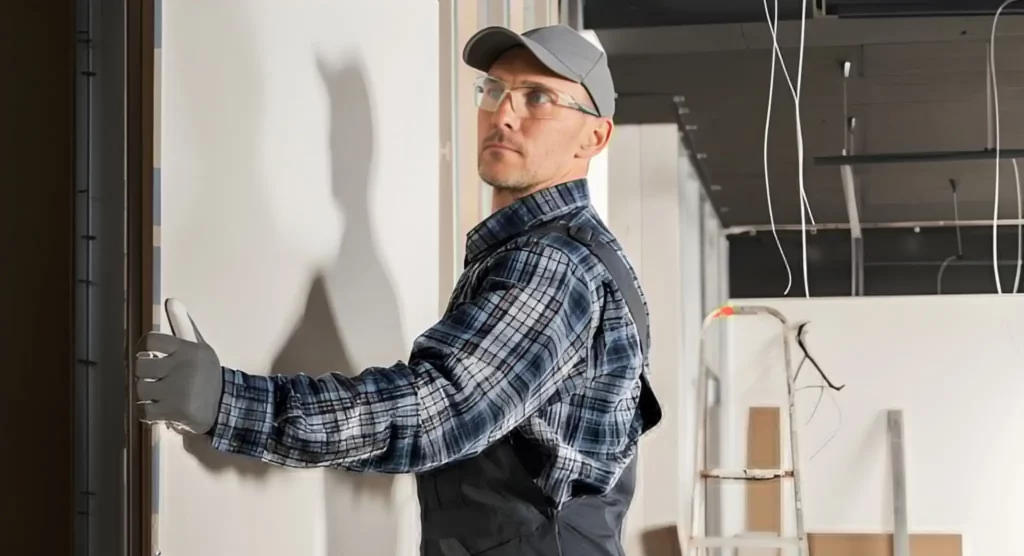
A general contractor takes care of you during the whole construction work. They organize all the building factors, schedule time, and make sure that everything is on track.
By contracting a Las Vegas general contractor, you are contracting a project manager who takes care of:
- Getting the required permits and complying with the codes.
- Subcontracting and employee management of subcontractors.
- Scheduling deliveries and ordering materials.
- Designing and sustaining project schedules.
- Reporting progress and managing issues.
- Budgetary control and making payments.
- Carrying out quality checks.
Imagine a general contractor is the quarterback of your building team. They do not always do the special work directly, but they ensure that all other personnel in place do their work in a proper and timely manner.
What Is a Subcontractor?

A subcontractor is one who deals with a particular trade or task during construction. The general contractor employs these professionals to finish the specialized part of the project.
The common types of subcontractors are:
- Electricians
- Plumbers
- HVAC technicians
- Roofers
- Framers
- Drywall installers
- Painters
- Concrete specialists
- Landscapers
Subcontractors come with great knowledge in their area. One example is an electrical subcontractor who is knowledgeable of the most recent electrical codes, is properly licensed, and has the specialized equipment required to perform that task.
General Contractor vs Subcontractor: Understanding the Difference
The main difference between the general and subcontractors is their area of responsibility and their association with the project.
- Scope of Work
The whole project will be handled by a general contractor. A subcontractor specializes in a single trade or aspect.
- Client Relationship
The property owner is usually under contract with the general contractors. The general contractor normally gets into an agreement with the subcontractor and not the owner of the property.
- Project Oversight
General contractors make all trades work together and keep the project on track and within the budget. Subcontractors do what is assigned to them in line with the schedule of the general contractor.
- Licensing and Insurance
Both should be so licensed and insured, and general contractors have wider coverage, which usually includes coverage of the whole project. Subcontractors have trade-specific insurance.
- Payment Structure
This is because property owners pay general contractors, who in turn pay subcontractors. This establishes a complete line of financial accountability.
General Contractor Responsibilities in Detail
General contractor responsibilities are made known to help you know what to expect in case you hire one of them to work on your project.
Pre-Construction Planning
Your general contractor, before any work is commenced:
- Consider architectural plans and specifications.
- Determines possible problems or program failures.
- Prepares elaborate cost estimates.
- Designs feasible project schedules.
- Schedules require inspections.
Subcontractor Management
One of the most important general contractor’s responsibilities is dealing with subcontractors. This involves:
- Choosing competent subcontractors in each trade.
- Discussion of good contracts and rate.
- Making sure that trades do not conflict with each other.
- Making sure that every subcontractor is licensed and insured.
- Settling inter-trade disputes.
Quality Control
Your general contractor is your representative, ensuring that work is of industry standards and that it is what you expect. They perform frequent checks and solve problems promptly.
Communication
A good construction contractor maintains your implementation. They also give frequent updates, clarify on any delays or changes, and are available to take up the questions.
When Should You Hire a General Contractor or Go Directly to Subcontractors?
Some property owners consider hiring subcontractors directly to save money. Although this could be applicable in basic projects, there are serious problems associated with this.
Hire a General Contractor When:
- There are many trades for your project.
- You do not have any experience in construction.
- You want one point of contact
- Someone has to take care of permits and inspections.
- Time is an issue, and organization is essential.
- You desire the security of contractor insurance and a guarantee.
Consider Direct Subcontractor Hiring When:
- You are just doing a one-trade (such as changing a water heater) project.
- You possess construction management experience.
- You can go ahead to organize schedules on your own.
- You have no qualms with permits and inspections.
- You are ready to accept the liability.
With the vast majority of commercial and residential construction, contracting a general contractor offers a sense of peace and usually costs less in the long run, avoiding the expensive errors and time wastage.
How General Contractors and Subcontractors Work Together
The success or failure of the project is dictated by the relationship between general contractors and subcontractors. The following is the effectiveness of collaboration:
- Clear Communication
General contractors give specifications and plans to every subcontractor. They conduct frequent meetings to talk about progress and to resolve issues.
- Coordinated Scheduling
The general contractor develops a master schedule that logically sequences work. An example is of electricians who follow framers and precede drywall installers.
- Quality Standards
General contractors establish definite expectations of quality and supervise subcontractor work at multiple milestones. This catches problems early.
- Problem Solving
Whenever problems occur, the general contractor collaborates with the concerned subcontractors in order to discover, as soon as possible, solutions without halting the whole project.
Selection of the Right Construction Partner

You may require commercial construction or a custom luxury home, and the knowledge of the subcontractor vs contractor will guide you to make the right decisions.
Seek general contractors that:
- Have correct licenses and extensive coverage.
- Have worked on projects of a similar nature.
- Make explicit and elaborate agreements.
- Be a communicator and a teller of the truth.
- Employ competent licensed subcontractors.
- Guarantee their hard labor.
- When dealing with commercial projects or residential projects of high-end in Las Vegas and Henderson, it is important to deal with professionals with a high degree of integrity, quality, and transparency.
Frequently Asked Questions
Can a subcontractor work without a general contractor?
Yes, subcontractors can work directly for property owners on simple, single-trade projects. However, for complex builds involving multiple trades, a general contractor ensures proper coordination and quality control.
Who is responsible if a subcontractor does poor work?
When you hire a general contractor, they assume responsibility for all work on your project, including subcontractor work. This protects you from having to chase down individual trades for corrections.
How do general contractors find subcontractors?
Experienced general contractors develop relationships with reliable subcontractors over the years of working together. They vet each trade for licensing, insurance, quality of work, and reliability.
What happens if a subcontractor isn’t paid?
In most cases, the general contractor is responsible for paying subcontractors. If payment disputes arise, they’re handled between the general contractor and subcontractor, not involving the property owner.
Do I need a general contractor for a remodel?
For remodels involving multiple trades—like kitchen or bathroom renovations—a general contractor coordinates the work efficiently and ensures all elements come together properly. For single-trade work like painting one room, you might hire that subcontractor directly.